
Knowing when to replace running shoes is one of the easiest ways to stay injury-free. However, many runners keep shoes far longer than they should. As a result, aches, pains, and fatigue start to creep in.
Replacing shoes at the right time helps protect your joints, improve comfort, and keep running enjoyable.
The General Rule for Replacing Running Shoes
Most running shoes last between 300 and 500 miles. For many runners, that works out to around four to six months of regular use. However, this is only a guideline.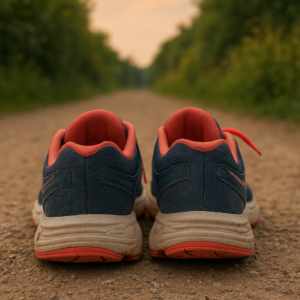
Some shoes break down faster. Others last slightly longer. Your running style, body weight, and surfaces all play a role.
Signs Your Running Shoes Need Replacing
Mileage alone does not tell the full story. Instead, pay attention to how your shoes feel.
If your shoes feel flat, stiff, or unsupportive, they may be worn out. New aches in your knees, hips, or calves can also be a warning sign. When small pains appear without a change in training, your shoes are often the cause.
Check the Sole and Midsole
The outsole gives clear clues. Look for smooth or uneven wear, especially on one side. This often means the cushioning underneath has broken down.
Press the midsole with your thumb. If it feels hard and does not bounce back, the shoe has lost its shock absorption. At that point, replacing them is a smart move.
How Your Running Style Affects Shoe Life
Heavier runners usually wear shoes out faster because more force goes through the cushioning. Similarly, runners who overpronate or supinate often see uneven wear.
Running on roads also breaks shoes down quicker than softer trails. Therefore, the more impact your shoes absorb, the sooner they need replacing.
Rotating Shoes Can Make Them Last Longer
Using more than one pair of running shoes can extend their life. When shoes rest between runs, the cushioning has time to recover.
Rotating shoes also reduces injury risk. Because each pair loads your muscles slightly differently, your body stays more balanced.
What Happens If You Keep Shoes Too Long?
Old shoes stop protecting your joints properly. Over time, this increases stress on your knees, hips, and lower legs. As a result, small issues can turn into long-term injuries.
Running in worn-out shoes also feels harder. You may fatigue faster, even at the same pace.
How Often Beginners Should Replace Running Shoes
Beginners often replace shoes too late. Because form is still developing, worn shoes can cause problems quickly.
If you are new to running, aim closer to the lower end of the mileage range. Comfort should always come first.
Keep Track of Your Mileage
Tracking mileage makes shoe replacement easier. Many running apps allow you to log miles per shoe. This removes guesswork and helps you plan ahead.
When shoes approach the end of their lifespan, start rotating in a new pair.
Listen to Your Body
Ultimately, your body gives the best feedback. If runs feel uncomfortable or painful without another clear reason, your shoes may be past their best.
Replacing them early is far cheaper than dealing with an injury later.